
Advancing Agricultural Innovation & Environmental Stewardship in New Jersey
A dedicated center for agritourism, specialty crop research, and sustainable land management.
- Our Mission
Cultivating innovation in New Jersey agriculture through research, sustainable stewardship, and immersive nature-based education.
- Core Activities
Core Initiatives in Agri-Innovation & Ecology
Enhancing New Jersey’s agritourism landscape by integrating innovative cultivation techniques with immersive, nature-based educational experiences.
- 01
Guided Farm Tours
Step into a living laboratory where participants observe sustainable land management and active agricultural operations in real-time.
- 02
Agri-Science Programming
Engage with applied science through instructional modules that transform theoretical environmental concepts into hands-on technical mastery.
- 03
Apiculture Research
Discover the world of pollinators through scientific demonstrations of hive biology and the vital mechanics of local food systems.
- 04
Pasture Ecology
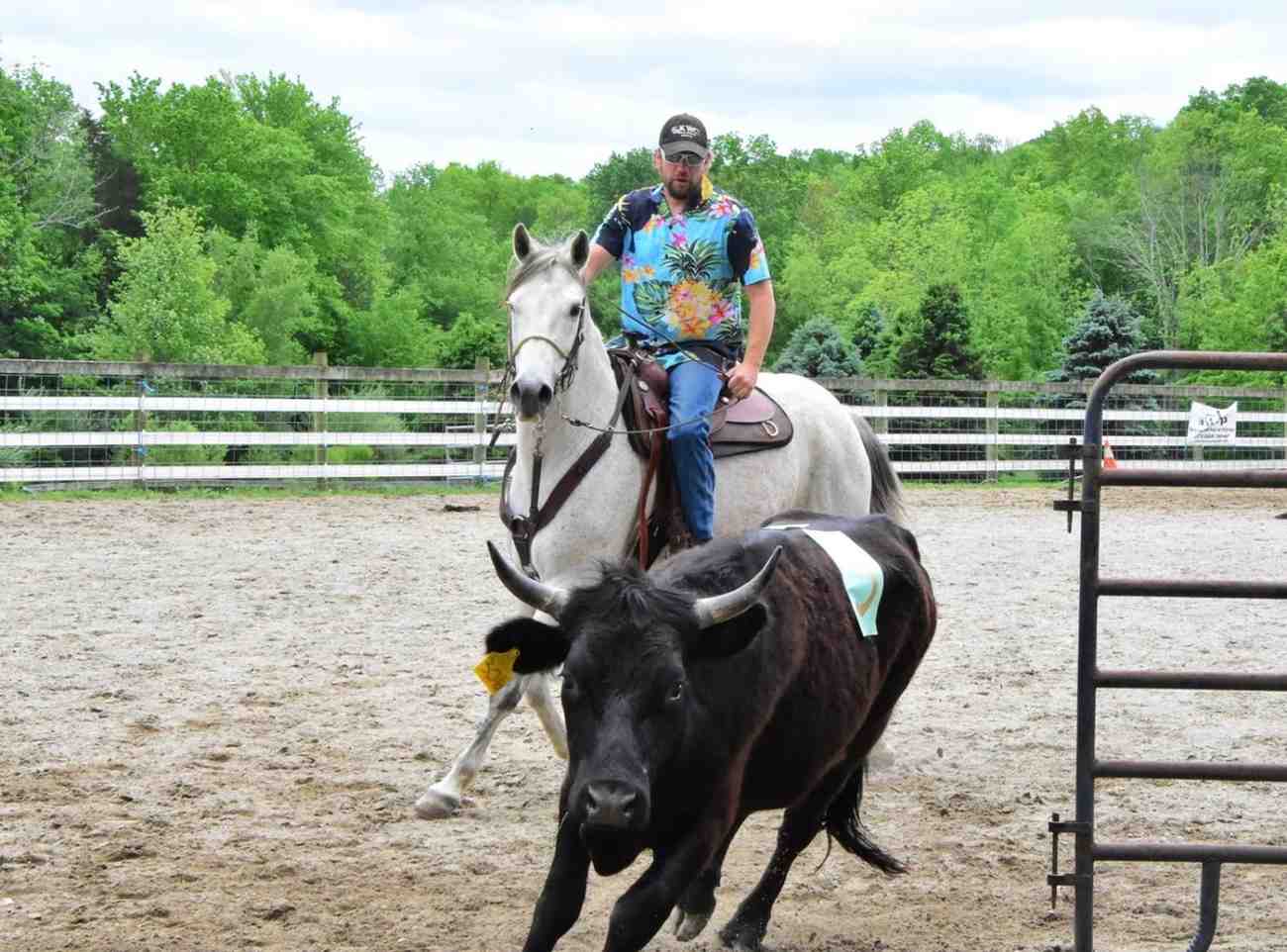
Witness regenerative agriculture in action by studying livestock integration and ecosystem health within our preserved New Jersey pastures.
- 05
Environmental Exhibits
Explore the future of farming via interactive displays featuring soil health diagnostics and advanced aeroponic cultivation technology.
- 06
Seasonal Symposia
Connect with the Garden State’s cycles during immersive educational events that showcase the intersection of research and seasonal harvest.
Core Initiatives in Agri-Innovation & Ecology
- 01
Guided Farm Tours
Step into a living laboratory where participants observe sustainable land management and active agricultural operations in real-time.
- 02
Agri-Science Programming
Engage with applied science through instructional modules that transform theoretical environmental concepts into hands-on technical mastery.
- 03
Apiculture Research
Discover the world of pollinators through scientific demonstrations of hive biology and the vital mechanics of local food systems.
- 04
Pasture Ecology
Witness regenerative agriculture in action by studying livestock integration and ecosystem health within our preserved New Jersey pastures.
- 05
Environmental Exhibits
Explore the future of farming via interactive displays featuring soil health diagnostics and advanced aeroponic cultivation technology.
- 06
Seasonal Symposia
Connect with the Garden State’s cycles during immersive educational events that showcase the intersection of research and seasonal harvest.
- About Menon Vistas
The Farm at a Glance
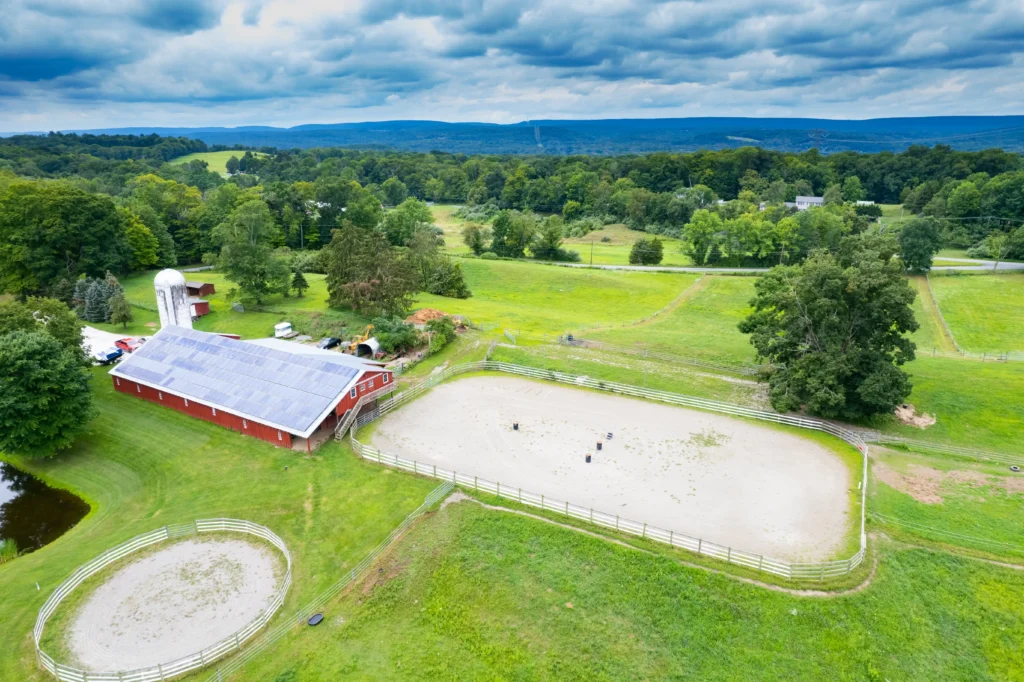
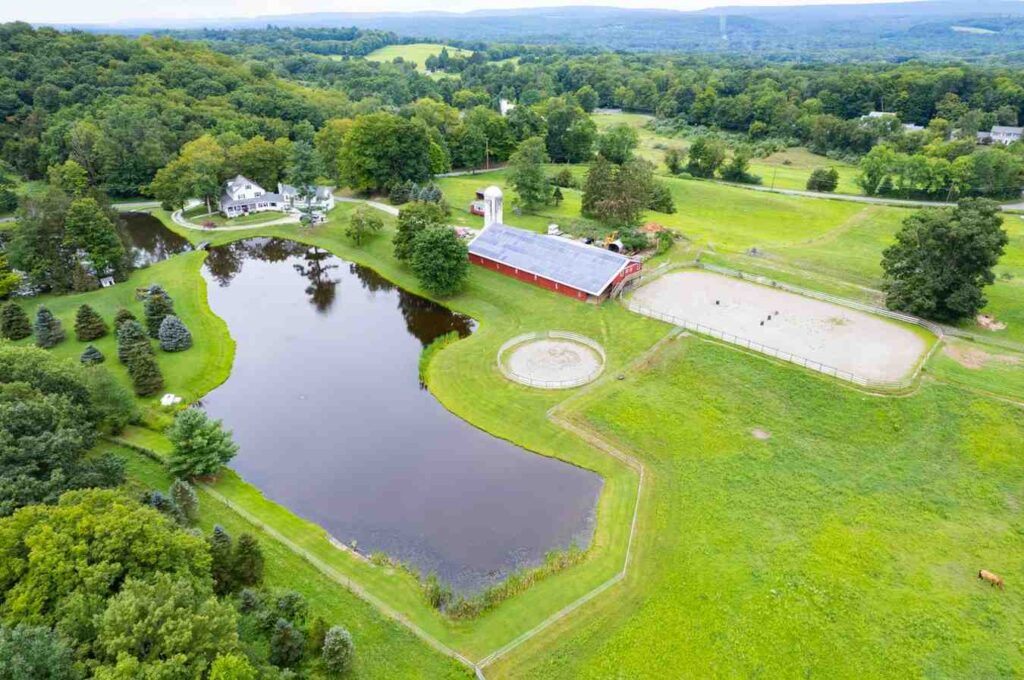
Explore our 50-acre preserved research farm, a dynamic ecosystem where heritage crops meet cutting-edge sustainable technology.
Total Land Area
Natural Water Reserve
Managed Pastureland
Protected Woodlands
Protected Woodlands
Native forest canopy dedicated to woodlot management, biodiversity conservation, and environmental education.
Live on the farm
- Purpose and Values
Our Foundation and Future
The New Jersey Institute of Nature was established to serve as a premier hub for agricultural innovation and environmental preservation.
The Institute is dedicated to bridging the gap between traditional land stewardship and modern agri-business technology.
Our purpose is rooted in the advancement of high-value specialty crops and the implementation of climate-resilient farming systems that strengthen the regional economy.
- Core Initiatives
Strategic Program Architecture
- Partnerships
Learn About Our Partners
We collaborate with premier academic institutions and research affiliates to bridge the gap between classroom theory and field-based discovery.
Become our Partner
- K-12 Schools
Inspire the Next Generation of Environmental Stewards
We partner with K-12 schools to deliver immersive, curriculum-aligned learning experiences that bring science, agriculture, and ecology to life. Through guided field trips, hands-on workshops, and seasonal programs, students gain real-world exposure to sustainable farming, biodiversity, and environmental responsibility.
- Colleges
Advance Academic Research & Applied Learning
We collaborate with colleges and universities to support research, fieldwork, and experiential education in agriculture, environmental science, and sustainability. Our 50-acre research farm serves as a living laboratory for data collection, experimentation, and interdisciplinary collaboration.
- Farmers
Grow Together Through Innovation & Sustainability
We work with local farmers to promote sustainable practices, share knowledge, and strengthen New Jersey’s agricultural ecosystem. From regenerative techniques to agritourism initiatives, we aim to support long-term growth and resilience in the farming community.
- Local Businesses
Connect Your Brand with Sustainability & Community
Partner with us to align your business with environmental innovation, education, and local impact. We collaborate with businesses that value sustainability, community engagement, and meaningful brand storytelling.
- Conservation Organizations
Protect & Preserve Through Collaboration
We partner with conservation groups to advance land stewardship, biodiversity protection, and ecological research. Together, we create initiatives that preserve natural resources while educating the public on sustainable practices.
- Researchers and Faculty
A Living Laboratory for Innovation
We welcome researchers and faculty to utilize our farm as a platform for experimentation, data collection, and innovation in agriculture and environmental science. Our diverse ecosystem provides unique opportunities for applied research and interdisciplinary collaboration.
- Our Learning Zones
Explore Our Learning Zones
Each zone is a living classroom—designed for real-world agriculture and ecological discovery.
- 01
Forest & Essential Oil Teaching Grove
Students identify NJ trees and explore sustainable harvesting, chemistry of plant oils, and distillation as a real-world application of science and stewardship.
- 02
Greenhouse & Aeroponic Growing Hub
A controlled environment learning space for plant science, nutrient chemistry, sensors, and year-round growing in New Jersey’s climate.
- 03
Mushroom Farming & Mycology Lab
Students investigate decomposers, carbon cycling, sterile technique, and specialty crop production—then connect waste-to-compost loops.
- 04
Crocus & Saffron Teaching Plot
A high-value, low-volume crop that teaches patience, precision harvesting, and the economics of agriculture and global trade.
- 05
Raised Bed Teaching Garden
Seasonal NJ planting, composting, soil science, and integrated pest management—hands-on food systems education.
- 06
Pollinator Garden + Insect Hotel
Native plants and built habitat support beneficial insects. Students learn pollination, biodiversity, and natural pest control through observation and stewardship.
- 07
Pond & Water Quality Learning Area
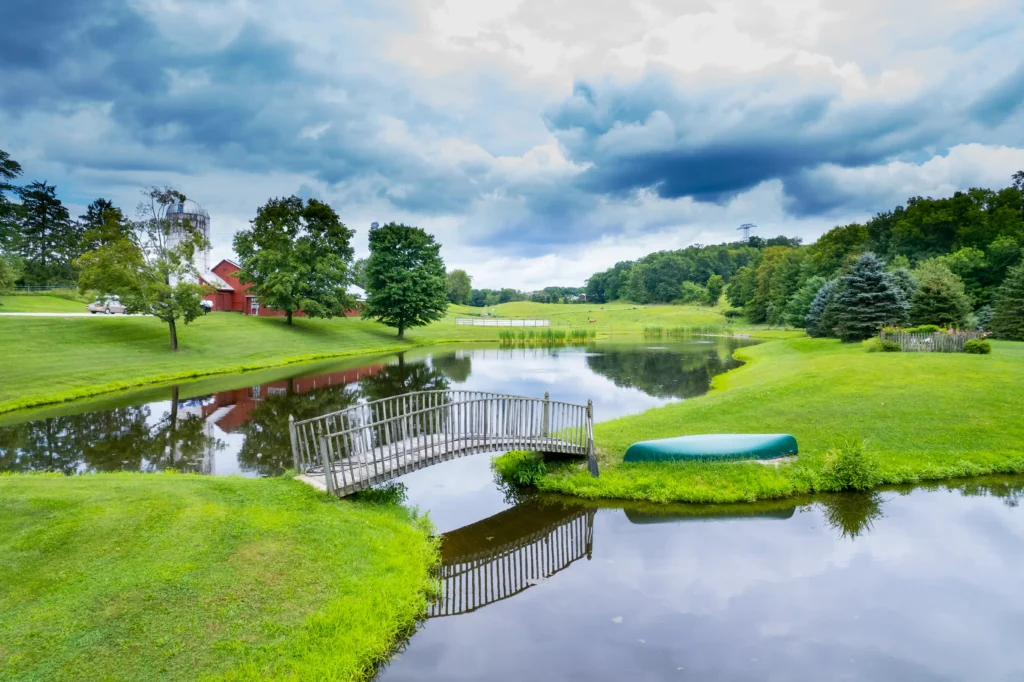
A real aquatic ecosystem for water quality monitoring, biodiversity studies, and field research linked to environmental stewardship.
- 08
Outdoor Classroom & Processing Pavilion
A central hub for reflection, journaling, demos, and product prep—connecting agriculture to writing, art, and entrepreneurship.
- Spotlight
Insect Hotel Spotlight: Small Structure, Big Impact
Every month we will share Insect Hotel photos here to promote biodiversity and showcase conservancy efforts of citizens. Click here for an example.
- RESEARCH & OUTCOMES
Student Research on the Farm
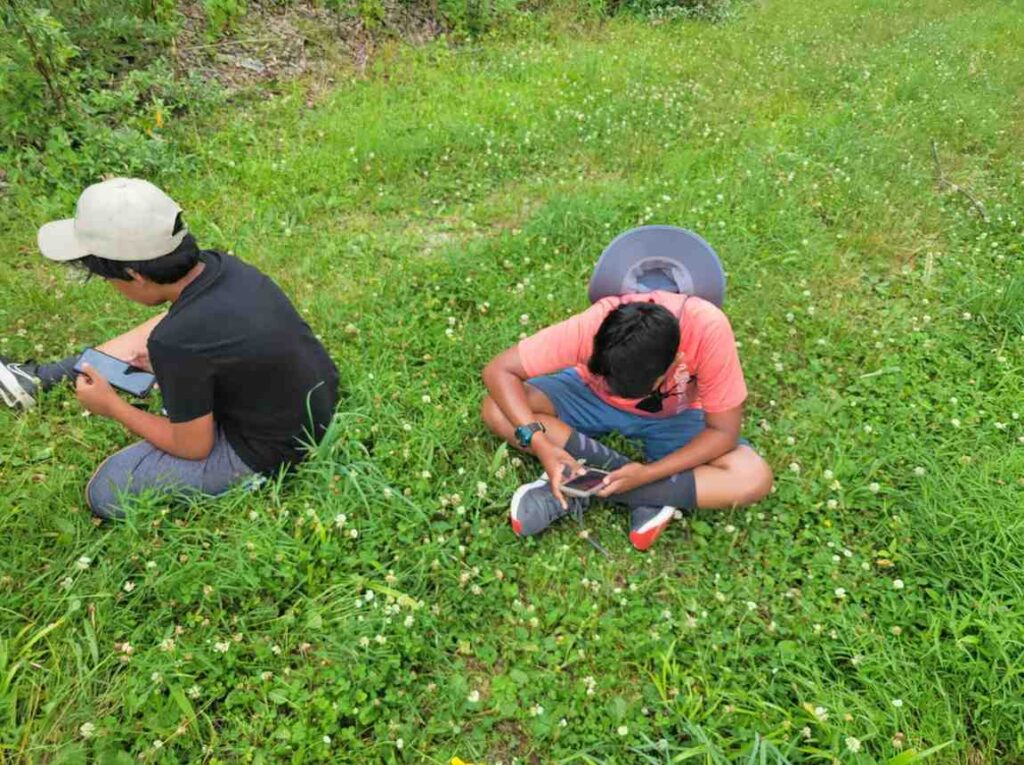
Students conduct real investigations—soil health, water quality, biodiversity—and present findings through posters and presentations. This builds scientific literacy, confidence, and stewardship.
Plan Your Visit with Confidence
We provide guided farm visits for schools and youth groups, designed to align with learning goals while ensuring a safe, respectful environment for students, animals, and the land.
Plan a Visit
We welcome school groups and youth organizations for guided, supervised field experiences aligned to grade level and learning goals.
Safety and Stewardship
All learning is designed to be age-appropriate, educator-led, and observation-based, with clear boundaries that protect students, animals, and the land.
- FAQ
Frequently Asked Questions
We’ve compiled answers to the most common questions our clients ask to help you get a better understanding of how we can assist you.
What can I expect to see during a typical field visit?
Are there opportunities for student involvement?
Yes, we actively support student-led research in fields such as water quality, soil health, and forest ecology, providing a professional environment for data collection and academic analysis.
Can the public interact with the livestock?
How does the Institute utilize renewable energy?
Our operations are supported by a 250-panel rooftop solar array on the main barn, which serves as both a functional power source and a live demonstration of sustainable infrastructure.
How does the Institute support local biodiversity?
Through managed pollinator habitats and beekeeping demonstrations, we showcase the vital link between healthy ecosystems and productive agriculture, offering a firsthand look at how “stewardship” works in practice.
Join Our Mission
We invite you to partner with the New Jersey Institute of Nature as we advance the frontiers of agricultural research and ecological stewardship. Whether through academic collaboration, research initiatives, or professional engagement, your involvement helps shape a sustainable future for our land and industry.

Nandini Menon, Ed.D.
NJIN Founder
Visit • Learn • Grow
Help us expand hands-on agricultural education for New Jersey students.